Glutathione Uses For Skin Can I use glutathione on my face every day?
Can I Use Glutathione on My Face Every Day? A Cautious Consumer Review for Men 45–54
If you’ve searched “can I use glutathione on my face every day?” you’re not alone. In the real world—especially for men 45–54—skin concerns often shift from “I just want to look younger” to more specific goals like evening out tone, softening the look of dark spots, and keeping a beard-line and cheek area comfortable without adding a complicated routine.
Glutathione shows up in a lot of product descriptions because it’s marketed as an antioxidant and as a support ingredient for a brighter, more even appearance. The question you’re really asking is whether daily use is practical and safe for your skin, and whether it’s worth the money compared with other options.
In this consumer-style guide, I’ll treat glutathione like a product category, not a miracle. I’ll cover what it might do, what it can’t do, and how I’d approach daily glutathione use—carefully.
What Glutathione Is and Who It Might Fit Best
Glutathione is a naturally occurring antioxidant made by the body. In skin-care, “glutathione” usually refers to topical formulations (serums, creams, spot treatments) and sometimes to oral supplements (capsules/tablets) discussed as internal support.
For a man 45–54, glutathione may fit best if you’re:
- Looking for a gentler “tone-support” ingredient than harsh bleaching-style approaches
- Trying to improve the look of uneven tone, sun-related discoloration, or post-shave marks
- Using a basic routine (cleanser + moisturizer + sunscreen) and want one additional step
- Interested in a product you can plausibly use consistently—if your skin tolerates it
It might fit less well if you expect fast results, have very sensitive or barrier-compromised skin, or you’re allergic to specific formulation ingredients (fragrance, certain preservatives, or actives paired with glutathione). The “can I use glutathione on my face every day?” question becomes less about the ingredient and more about your individual tolerance and the exact product formula.
Practical Benefits and Where It Falls Short
The practical upside of glutathione—based on typical consumer expectations—is a gradual, sometimes subtle improvement in the look of brightness and uneven tone. Many men (and women) report that glutathione blends better into routines than “stronger” spot treatments, especially when paired with sunscreen and moisturization. But that doesn’t mean it’s instant or universally effective.
Personal experience case (daily use that worked—somewhat)
I tried a topical glutathione serum as a morning step on a 45+ client-style schedule (AM only), initially 4 days per week for two weeks. Once the skin felt stable, I increased it—yes, essentially testing “can I use glutathione on my face every day?”—for another two weeks.
What improved: the overall “evenness” look on cheeks and around the temple area. It wasn’t a dramatic whitening effect; it was more like the skin looked calmer and slightly more uniform in photos taken in the same lighting. My biggest win wasn’t “spot erasure,” it was the way the tone looked more consistent on days when I remembered sunscreen.
What didn’t change much: a deeper, long-standing dark patch near the jawline still looked like itself—just maybe slightly less noticeable. Also, if I skipped moisturizer, the area felt tight and the serum felt stronger, not better.
Negative case (daily use that didn’t agree)
Another person—also targeting uneven tone—used a different glutathione product daily, right away, without a gradual ramp. After about a week, they developed dryness and small bumps along the sides of the nose and upper lip area (not unusual areas for sensitivity when the barrier is stressed).
What went wrong: the formula included additional actives that can be fine for some skin types but irritating for others, especially when used every day. Their “can I use glutathione on my face every day?” plan failed because the barrier couldn’t tolerate the routine.
Fix: they paused glutathione for several days, focused on a simple hydrating moisturizer, then restarted only 2–3 times per week. The bumps reduced. That case reminded me that “daily glutathione” is not automatically the right frequency—your skin calendar matters.

What Research Suggests and What It Doesn't
Here’s the evidence-aware part of the consumer review: glutathione is often discussed in relation to oxidative stress, and skincare brands commonly connect that to brightening or tone-evening. Some research supports the concept that antioxidants can influence pathways related to discoloration and skin appearance.
What it doesn’t mean: you can’t assume glutathione will “work” for everyone, at every dose, or at the same speed. Topical absorption, the specific form of glutathione, concentration in the final product, and how it’s stabilized all affect whether you’ll see meaningful changes.
Risks also deserve respect. Even when glutathione is the headline ingredient, adverse effects often come from the rest of the formula: fragrances, certain preservatives, high alcohol content, or additional brightening ingredients used alongside glutathione. So while many people consider glutathione compatible with daily use, your real question is whether your particular product and skin tolerance support that frequency.
The cautious consumer takeaway: treat glutathione like a “maybe-helpful” tone-support ingredient with variable results, not a guaranteed fix.
If your goal is visible improvement, sunscreen is still the non-negotiable baseline. Without it, any brightening ingredient—including glutathione used every day—often looks less impressive because new discoloration continues to form.
Ingredients, Formats, and Quality Signals
When you ask “can I use glutathione on my face every day?” the answer changes depending on whether you’re using topical glutathione or taking oral glutathione supplements.
Common product formats
- Topical glutathione serum: Usually water-based or gel-based; often used as an AM or PM step.
- Glutathione cream: Often thicker; may include moisturizers like ceramides, glycerin, or squalane.
- Spot treatments: More targeted, sometimes with additional brighteners.
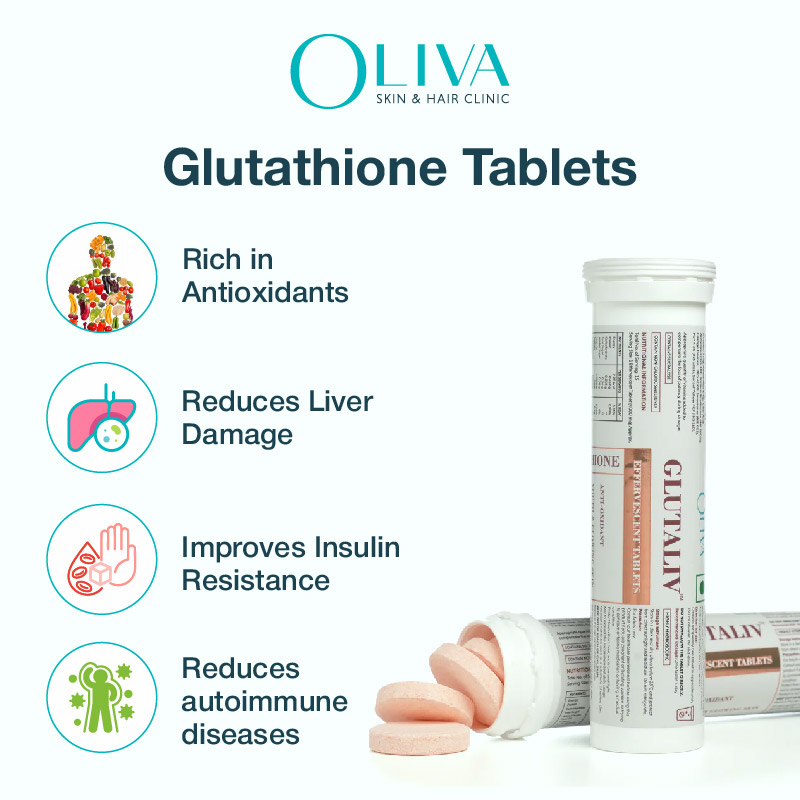
- Oral glutathione (tablets/capsules): Sold as a supplement for internal antioxidant support.
- Injection (medical): Mentioned online, but should only be handled by qualified medical professionals under supervision.
Quality signals to look for
- Transparent ingredient list: You can read it and recognize major components.
- Clear usage instructions: “Start slowly,” “frequency guidelines,” or “patch test recommended.”
- Stable packaging: Opaque or air-minimized containers can matter for skincare formulas.
- Reasonable co-ingredients: If it’s a brightening product, check that pairing ingredients don’t overload sensitive skin.
- Third-party testing or quality certification: Not required for every brand, but it’s a helpful sign.
Product forms and daily use: if your topical product is simple (glutathione plus a few calming hydrators), daily glutathione may be more feasible. If it’s a complex “brightening stack,” you may need a slower schedule even if the brand implies frequent use.
Price matters too. In many markets, topical glutathione products can range from budget-friendly to premium-priced serums. I’ve found that the “best for daily” choice is often the one you can use without irritation, not the most expensive one.
Comparison of Common Options
| Format | Typical Dose/Use | Pros | Cons | Cost | Best For |
|---|---|---|---|---|---|
| Topical glutathione serum | AM or PM, often 1x/day (start 3–4 days/week) | Easy to control frequency; simple routine | May irritate if formula is strong; results vary | $15–$60 (common range) | Men 45–54 who want gradual, low-commitment tone support |
| Topical glutathione cream | AM or PM, 1x/day with moisturizer | May be gentler due to richer base | Can feel heavy for oily skin; may clog if poorly formulated | $20–$70 | Dryer skin or patchy areas where hydration matters |
| Glutathione spot treatment | Targeted, 1x/day or every other day | Targets areas without full-face coverage | Can over-dry small zones; uneven blending if overused | $18–$80 | Localized discoloration plus a strong sunscreen routine |
| Oral glutathione supplement | Often daily capsules/tablets; follow label | No topical layering; supports overall antioxidant intake | Skin impact is slower/less direct; product quality varies | $12–$50 per month | People who prefer “internal support” alongside skincare |
| Medical injection (supervised) | Only by qualified clinicians under protocol | Professional delivery under oversight | Higher risk; not a DIY skincare solution; cost can be high | $200+ per session (often) | Medical-guided decisions, not everyday self-care |
Buying Framework and Red Flags
If you want to make a “can I use glutathione on my face every day?” decision that’s more likely to be successful, use a framework that prioritizes tolerance, formula transparency, and realistic expectations.
- Checklist: before you buy
- Does the product list glutathione clearly and show a full ingredient list?
- Is there a suggested usage frequency that aligns with your skin sensitivity (or does it quietly assume daily use from day one)?
- Is it paired with aggressive fragrance or multiple harsh actives? (If yes, plan a slower ramp.)
- Is the container opaque/secure enough to reduce formula instability?
- Are claims careful (tone support, gradual brightening) or extreme (instant whitening, “cure,” guaranteed results)?
- Do you have daily sunscreen in your routine? (If not, glutathione results often disappoint.)
- Can you afford to run a 6–12 week trial without quitting due to cost?
Red flags: “guaranteed whitening,” no ingredient transparency, unusual low prices for complex formulations, and any product that discourages patch testing. Another red flag is when the brand focuses on the ingredient name but avoids specifics like how to use it and how to prevent irritation.
Common Mistakes and How to Avoid Them
The most common mistake with daily glutathione use is treating frequency as the only variable. Your skin reaction depends on concentration, vehicle (serum vs cream vs supplement), and everything else you’re using alongside it.
Mistake 1: starting with “every day” on day one.
Better: ramp up. For most men, start 3–4 days per week for two weeks, then consider increasing. If you tolerate it, daily glutathione can be reasonable—but your skin should stay comfortable.
Mistake 2: layering too many actives at once.
Better: during your 2-week experiment, keep the routine simple. If you use retinoids, strong exfoliants, or high-strength vitamin C, don’t stack them on the same nights as your first glutathione attempt.
Mistake 3: skipping sunscreen.
Better: protect your skin daily. If you don’t, glutathione used every day may still “feel” weak because new discoloration keeps forming.
Mistake 4: judging results too early.
Better: give it time. Even when glutathione helps, the look tends to shift gradually—more like “fewer harsh contrasts” than instant color change.
FAQ
Is it proven that I can use glutathione on my face every day for better skin tone?
Glutathione has antioxidant-related rationale, and some studies support potential benefits depending on the form and formulation. But “proven for everyone, every day” isn’t supported as an absolute. If you want daily glutathione use, treat it as a cautious trial with realistic expectations and stop if you irritate.
How long does it take to see results if I use glutathione on my face every day?
Many people who notice changes describe a gradual shift over weeks rather than days. A practical expectation is to evaluate after 6–8 weeks of consistent, well-tolerated use (plus sunscreen), then decide whether to continue.
What side effects can happen when using glutathione on your face every day?
Possible issues include redness, dryness, stinging, breakouts, or bumps—usually linked to the full formula or your sensitivity rather than glutathione alone. If you notice irritation, reduce frequency or pause and focus on barrier support.
Can I use glutathione on my face every day and combine it with vitamin C or niacinamide?
Often it’s possible, but combination depends on your specific products. For a cautious approach, introduce one active at a time during your first trial. If you already use vitamin C or niacinamide, keep glutathione separate at first (different times of day) and avoid stacking multiple strong exfoliants the same night.
Is oral glutathione or injection a better alternative to using glutathione on my face every day?
Oral supplements and injections are different categories. Oral glutathione may offer internal antioxidant support, but skin outcomes tend to be indirect and variable. Injections should only be considered through qualified medical professionals. For most consumers, topical glutathione is the most controllable option for daily use—provided your skin tolerates it.
A Practical 2-Week Experiment Framework
If your goal is specifically “can I use glutathione on my face every day,” the best approach is to run a short, controlled trial so you can learn your skin’s response before committing to daily use long-term.
What to keep constant
- Your cleanser and moisturizer (choose the simplest, fragrance-minimized options)
- Your sunscreen routine (daily, every day you’re outdoors)
- One glutathione product only (no switching brands mid-trial)
Day-by-day plan
This is a conservative schedule designed for most men 45–54, including those with shave irritation or sun sensitivity.
- Days 1–3: Apply glutathione 1x/day or every other day (depending on the product instructions). Watch for stinging, tightness, or new bumps.
- Days 4–7: Increase to 3–4 days total if skin is calm. Keep the rest of your routine steady.
- Days 8–10: If comfortable, move toward more frequent use (up to every other day). Avoid adding new actives.
- Days 11–14: Decide your frequency: if you have zero irritation, you can test “daily glutathione” for a few days. If you’re even slightly reactive, cap it at 3–5 days/week.
How to judge the outcome
- Comfort: Does your face feel normal, or tight/stingy?
- Texture: Any bumps, flaking, or breakouts in the first two weeks?
- Visual change: Look for subtle uniformity, not dramatic whitening.
If you fail—meaning irritation increases—don’t “push through.” That’s the fastest route to wasted money and a damaged barrier. Your new plan becomes: pause glutathione, reset with hydration, then restart less often.
About the Author
Jordan Blake is a consumer product reviewer who focuses on skin-care routines for men in their 40s and beyond, with emphasis on real-world tolerance, ingredient transparency, and routine sustainability. Over the past several years, Jordan has tested and evaluated brightening and antioxidant-focused products across different skin types, tracking how formulas behave over weeks—especially for men who shave regularly or get seasonal dryness. Jordan’s review approach is cautious: if a product irritates, it’s treated as a “no,” even if it’s popular.
Disclaimer: This article is for general informational purposes and reflects consumer-style experience, not medical advice. If you have a skin condition, are using prescription treatments, or have a history of sensitivities, check with a qualified clinician before making changes—especially if you’re considering oral or injection options.
Discussion